Mahjong
Explore the history, rules, and cultural significance of Mahjong, a centuries-old game that challenges players' strategic and analytical skills.
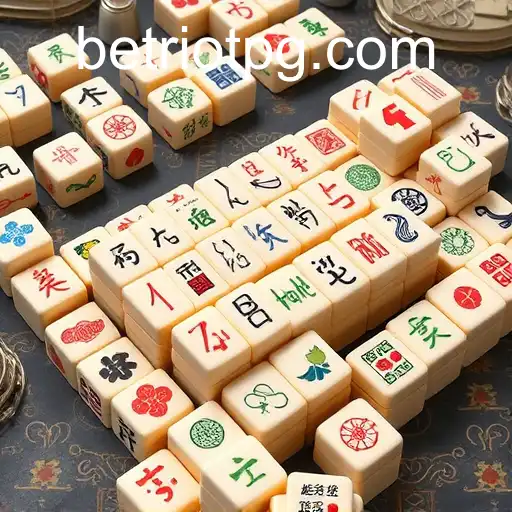
The Fascinating World of Mahjong: A Game of Strategy and Skill
Mahjong is a traditional Chinese game that has captivated players worldwide with its intricate design and challenging gameplay. Originating during the Qing Dynasty in China, Mahjong has evolved over the centuries and spread across the globe, becoming a beloved pastime in many cultures.
The Origins of Mahjong
Mahjong's precise origin remains a topic of debate among historians, but it's generally agreed that the game developed in China during the mid-1800s. Some theories suggest the game was inspired by earlier card games, while others trace its roots to tile games played as far back as the Tang Dynasty. Regardless of its origins, the game gained immense popularity by the early 20th century, eventually spreading to Japan, the United States, and other parts of the world.
The Basic Rules of Mahjong
While there are many regional variations of Mahjong, the fundamental principles remain consistent. Traditional Mahjong is played with a set of 144 tiles based on Chinese characters and symbols. The object of the game is to build a complete set of tiles known as a "hand," following specific combinations. A standard hand consists of four sets of three tiles and a pair.
Understanding the Tiles
The Mahjong set comprises three suits: Bamboo, Characters, and Dots. Each suit contains tiles numbered one to nine. Additionally, there are four Honor tiles: the East, South, West, and North winds, along with three Dragon tiles: Red, Green, and White. Depending on regional rules, Flower and Season tiles may also be included, adding an extra layer of strategy.
Gameplay Dynamics
Typically, Mahjong is played by four players. The game begins with each player receiving 13 tiles, and on each turn, players draw a tile and discard one until they form a complete hand. Players must strategize to collect sets of identical tiles, sequences, or mixed runs, all while anticipating opponents' moves. The combination of skill, luck, and strategy makes each game unpredictable and exciting.
Cultural Significance of Mahjong
Mahjong is deeply embedded in Chinese culture and goes beyond simply being a game; it is a social activity that encourages interaction among players. Traditionally, Mahjong is played during family gatherings, holidays, or festivals, fostering bonds and communication among participants.
In many cultures, Mahjong is considered a way to sharpen cognitive skills. The game requires strategic thinking, memory, and problem-solving abilities, making it a beneficial mental exercise for players of all ages. This cognitive stimulation has contributed to its enduring appeal.
The Modern Influence of Mahjong
Mahjong's reach has extended far beyond its Chinese origins, becoming a popular recreational activity worldwide. Its integration into Western culture is attributed to the Mahjong craze that swept across America during the 1920s. This led to the creation of various Mahjong clubs, and the game even influenced fashion and music of the era.
Today, Mahjong continues to thrive, not only as a traditional tabletop game but also in various digital formats. Online Mahjong platforms and apps connect players globally, allowing enthusiasts to enjoy the game anytime, anywhere. Websites like 020vip.bet offer a platform where players can engage in Mahjong games and sharpen their skills against others.
Regional Variations of Mahjong
As Mahjong spread across different regions, unique variations of the game developed, each with distinct rules and tile uses. For instance, Japanese Mahjong, or "Riichi," introduces specific scoring rules and etiquette, while American Mahjong includes special tiles and card-based strategies.
These variations highlight the adaptability of Mahjong, showcasing how it has been embraced and modified by diverse cultures while maintaining its core principles.
The Social Aspect of Mahjong
One of the reasons Mahjong remains popular is its ability to bring people together. It serves as a social bridge across generations and cultures, allowing individuals to share experiences and create lasting memories. In many Asian communities, Mahjong is played in public settings, such as parks or community centers, promoting social cohesion.
For families, Mahjong nights are a cherished tradition, where skills are passed from one generation to the next. This cultural continuity helps preserve the rich heritage associated with Mahjong.
Conclusion
Mahjong is much more than a game; it is a cultural phenomenon that has stood the test of time. With its intricate blend of skill, strategy, and social interaction, Mahjong continues to engage and entertain players around the world. Whether played with traditional tiles or online on platforms like 020vip.bet, Mahjong remains a testament to human ingenuity and the enduring appeal of classic games.